Lowering your toxin intake
An anti-cancer diet consists of:
- Lowering your toxin intake.
- Supporting the body’s cleansing and detoxifying processes.
- Eating healthy and nutrient-rich foods to support all your body’s functions.
First and foremost, you can take these steps to reduce or eliminate the following products and substances from your life to halt toxin accumulation and reduce free radical, cellular damage:
Commercial Health and Beauty Products: The things we put in our mouths and use on our skin or hair, such as commercial shampoos, makeup and cleansing products, are often loaded with potential carcinogens.
Household Cleaners: Indoor environments are often concentrated sources of pollution. Lower your toxin load by switching to natural cleaners or making your own instead of using products that are filled with chemicals.
Unnecessary Medications: All medications pass through and burden the liver. High use of acetaminophen is rapidly overtaking alcohol as the number one cause of liver disease. Work with your physician to lessen the number of medications you are taking.
Plastics: Compounds in plastic containers, plastic wraps, the lining of metal cans, and paperboard containers can all leach compounds that disrupt the neuroendocrine system. This is especially true when plastic is heated, which is why it’s smart not to microwave plastic containers, store very hot food in plastic, or leave plastic water bottles anywhere where they will become very hot (such as in your car).
Even if you eat healthy foods regularly, environmental toxins bombard you at all turns. You may also want to periodically try intermittent fasting as an anti-cancer measure.
The organs that are responsible for detoxification and elimination — the skin, respiratory system, kidney, liver and digestive tract — often get overburdened and re-circulate toxins in the bloodstream. Practising a cleanse or detox every few months can help these organs “catch up” and dispose of toxins stored in cells and tissue. Colon and liver cleanses can be accomplished with a variety of herbs, green drinks and easily digested whole foods such as juiced vegetables or those that are lightly steamed.
Anti-Cancer foods
A varied diet rich in whole foods may help lower your risk of developing cancer and decrease cancer growth. This diet can include fatty fish, vegetables, spices, and fruits such as berries.
What you eat can drastically affect many aspects of your health, including your risk of developing chronic diseases such as heart disease, diabetes, and cancer.
Diet has been shown to heavily influence the development of cancer.
Many foods contain beneficial compounds that could help decrease cancer growth.
Several studies also show that a greater intake of certain foods could be associated with a lower risk of the disease. These anti-cancer foods include the following:
Broccoli
Broccoli contains sulforaphane, a plant compound that’s found in cruciferous vegetables and may have potent anticancer properties.
One test-tube study in 2010 showed that sulforaphane reduced the size and number of breast cancer cells by up to 75%.
Similarly, a 2004 animal study found that treating mice with sulforaphane helped kill off prostate cancer cells and reduced tumour volume by more than 50%.
Some studies have also found that a greater intake of cruciferous vegetables such as broccoli may be linked to a lower risk of colorectal cancer.
One analysis of 35 studies showed that eating more cruciferous vegetables was associated with a lower risk of colorectal and colon cancer.
Including broccoli in a few meals per week may come with some anti-cancer benefits.
Carrots
Several studies have found that eating more carrots is linked to a decreased risk of certain types of cancer, like stomach cancer.
You can try incorporating carrots into your diet as a healthy snack or delicious side dish just a few times per week to increase your intake and potentially reduce your risk of cancer.
Beans
Beans are high in fibre, which some studies have found may help protect against colorectal cancer.
It has been found that people with a history of colorectal tumours who consumed more cooked dried beans tended to have a decreased risk of tumour recurrence.
These results suggest that eating a few servings of beans each week may increase your fibre intake and help lower your risk of developing cancer.
Berries
Berries are high in anthocyanins, which are plant pigments with antioxidant properties that may be associated with a reduced risk of cancer.
In one small study, after 25 people with colorectal cancer were treated with bilberry extract for 7 days, the growth of cancer cells decreased by 7%.
Researchers found that giving freeze-dried black raspberries to rats reduced the incidence of oesophageal tumours and they also found that a berry extract could inhibit several biomarkers of cancer in rats.
Based on these findings, including a serving or two of berries in your diet each day may act as an anti-cancer food for your body.
Cinnamon
Cinnamon is well known for its health benefits, including its ability to lower blood sugar and ease inflammation.
In addition, some test-tube and animal studies have found that cinnamon may help block the spread of cancer cells.
In a study, using test tubes and animals found that cinnamon extract decreased the spread of cancer cells and induced their death.
Another test-tube study showed that cinnamon essential oil suppressed the growth of head and neck cancer cells and significantly reduced tumour size.
Including 1/2 to 1 teaspoon (tsp), or 2 to 4 grams (g), of cinnamon in your diet each day may be beneficial in cancer prevention and may also have other benefits, such as lowering blood sugar and decreasing inflammation.
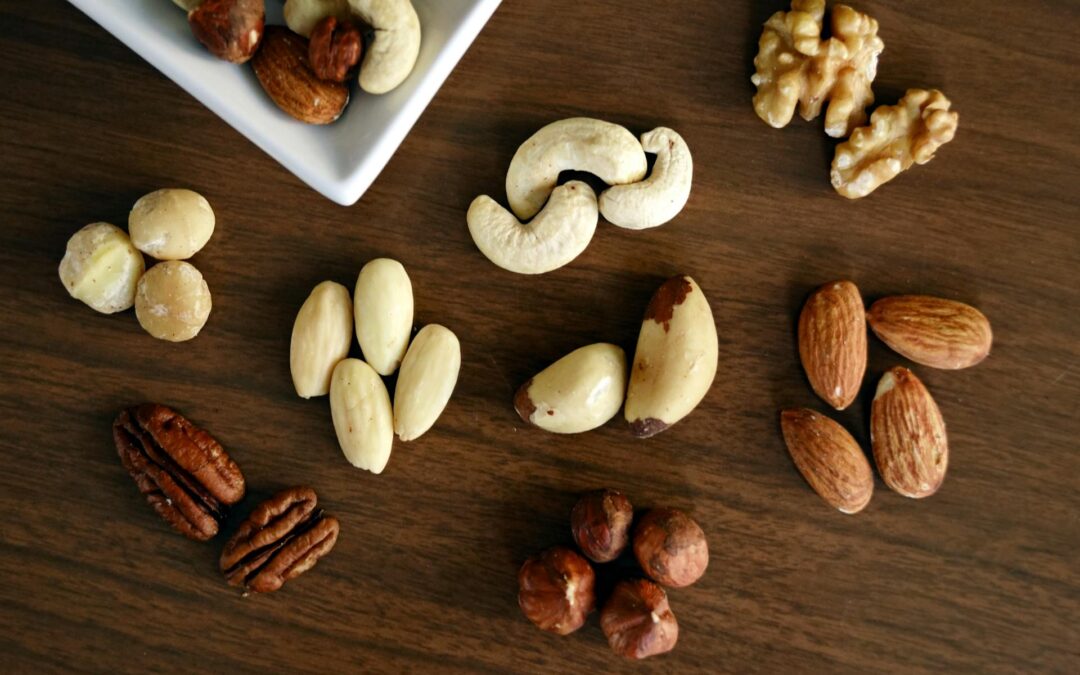
Nuts
Research has found that eating nuts may be linked to a lower risk of certain types of cancer.
For instance, in a 2015 study, researchers looked at the diets of 19,386 people and found that eating a greater number of nuts was associated with a decreased risk of dying from cancer
Other studies have found that specific types of nuts have anti-cancer properties.
Olive oil
Olive oil is loaded with health benefits, so it’s no wonder it’s one of the staples of the Mediterranean diet.
Several studies have even found that a higher intake of olive oil may help protect against cancer.
Replacing other oils in your diet with olive oil is a simple way to take advantage of its health benefits. You can drizzle it over salads and cooked vegetables or try using it in marinades for meat, fish, or poultry.
Turmeric
Turmeric is a spice well known for its health-promoting properties. Curcumin, its active ingredient, is a chemical that has anti-inflammatory, antioxidant, and even anti-cancer effects.
Researchers have examined the effects of curcumin in people with colon lesions that could have become cancerous. Among participants who consumed 4 g of curcumin daily for 30 days, the number of lesions decreased by 40%.
Curcumin was also found to decrease the spread of colon cancer cells by targeting a specific enzyme related to cancer growth.
For the best results, aim to consume 1/2 to 3 tsp (1 to 3 g) of ground turmeric per day. You can use the ground spice to add flavour to foods. Pairing it with black pepper helps boost its absorption.
Citrus fruits
Eating citrus fruits such as lemons, limes, grapefruits, and oranges has been associated with a lower risk of cancer. It is linked to a reduced risk of pancreatic cancer.
People who have high intake of citrus fruits, lower the risks of developing digestive and upper respiratory tract cancers, and reduce the risks of stomach cancer.
Flaxseed
High in fibre and heart-healthy fats, flaxseed can be a nutritious addition to your diet.
Some research has shown that it may even help decrease cancer growth and kill off cancer cells.
Flaxseed was found to reduce the growth and spread of cancer cells in men with prostate cancer.
Flaxseed is high in fibre, which it has been found to be protective against colorectal cancer.
Flaxseed has also been found to decrease levels of specific markers of tumour growth, as well as an increase in cancer cell death.
You can try adding 1 tablespoon (10 g) of ground flaxseed to your diet each day by mixing it into smoothies, sprinkling it over cereal or yoghurt, or adding it to your favourite baked goods.
Tomatoes
Lycopene is a compound found in tomatoes that is responsible for their vibrant red colour and may have anti-cancer properties.
Several studies suggest that an increased intake of lycopene and tomatoes could lead to a reduced risk of prostate cancer.
Intake of raw tomatoes, cooked tomatoes and lycopene were associated with a reduced risk of prostate cancer.
To help increase your intake, you can include a serving or two of tomatoes in your diet each day by adding them to sandwiches, salads, sauces, or pasta dishes.
Garlic
The active component in garlic is allicin, a compound that has been shown to kill off cancer cells.
Several studies have found an association between garlic intake and a lower risk of certain types of cancer, like reduced risk of prostate cancer.
A study also found that participants who ate lots of allium vegetables, such as garlic, onions, leeks, and shallots, had a lower risk of stomach cancer than those who rarely consumed those vegetables.
A study also found that participants who ate lots of garlic as well as fruit, deep yellow vegetables, dark green vegetables, and onions were less likely to develop colorectal tumours. However, this study did not isolate the effects of garlic.
Based on these findings, including 2 to 5 g (about one clove) of fresh garlic into your diet each day can help you take advantage of its health-promoting properties.
Fatty Fish
Some research suggests that including a few servings of fish in your diet each week may reduce your risk of cancer.
A higher intake of fish was associated with a lower risk of digestive tract cancer.
Adults found that eating more fish decreased the risk of developing colorectal cancer, while red and processed meats increased the risk.
Fatty fish like salmon, mackerel, and anchovies contain important nutrients such as vitamin D and omega-3 fatty acids, which have been linked to a lower risk of cancer.
For example, having adequate vitamin D levels is believed to protect against and reduce the risk of cancer.
Additionally, omega-3 fatty acids are thought to block the development of the disease through their anti-cancer properties.
What is energy?
Energy is the fabric of the universe. It’s infinite. It’s everything, the ocean, the air, the thought, the persons, etc. It can be changed and moved but it cannot be destroyed or be created.
Energy is behind all matter: visible and invisible. Visible is all we can see (chair, car, person, house, etc). Invisible is all we cannot see (heat, wind, emotions, radio waves, x-rays, infrared, thought waves, etc).
On the other hand, vibration is the language of energy. So, vibration is a constant periodic motion of atoms and subatomic energies.
Vibrational frequency is the rate or the speed of the vibration. AM radio, FM radio, and emotions have their own vibrational frequencies. Energy is intelligent; the observer can alter or change the behaviour of the subatomic energies of the subject. And this is very well-known in Quantum Physics. This force behind all things is quite powerful. The vibrational frequency of anything determines if it is positive, negative, or neutral.
The concept of emotional baggage
Emotional baggage is the recollection of emotions gathered from your experiences of life; sometimes they are inherited from your ancestors as well. They affect our emotional, mental, and physical reality; because they are energy, they are vibrations. They influence our feelings, thoughts, and decisions in a negative way. These emotions get trapped in the body (organs, glands or tissues) jeopardising the function of them.
What is Emotion Code?
Emotions are energy when we experience situations, we gather negative emotions like frustration, anger, confusion, heartache, fear, rejection, or jealousy. Those emotions get trapped in our bodies. We can sometimes work on them, but most of the time they get stuck in our organs, glands, or tissues for years even for decades. Because these emotions are vibrations, they interfere with the normal function of organs, glands, and tissues causing problems, symptoms, diseases, or illnesses.
On the other hand, we carry these emotions around, they are behind the scenes all the time, and we don’t even realize it. So, when we experience, let’s say “anger” that emotion resonates in a powerful way with the anger we have trapped for decades or years. Then, we react or overreact, and we don’t notice that this reaction is not appropriate for the actual experience, I am sure you have been in that situation! So trapped emotions affect our feelings, thoughts, and decisions, jeopardising our relationships. Emotion code therapy helps to release those trapped emotions, supporting your anti-cancer efforts.
Conclusion
The quality of your diet is undoubtedly linked to your overall health and ability to prevent cancer. However, other factors are also important for cancer prevention, such as exercising, avoiding medication and toxin exposure, not smoking or consuming too much alcohol, sleeping well and controlling stress.
A variety of foods can be included in an anti-cancer diet, and your diet doesn’t need to be “perfect” to be healthy. Start by making one or two changes at a time to your diet, removing foods that you consume a lot of but that are known to increase cancer risk.
Recent Comments