
Cancer is a systemic disease with various causes, some of which include a poor diet, toxin exposure, nutrient deficiencies and to some extent genetics. One extremely important way to prevent and/or treat cancer is nutritional, through eating a nutrient-dense diet and avoiding things that are known to increase cancer risk. But we also need to address the energetic part of emotions which play a huge role in it.
But for many people navigating the modern-day food system often seems overwhelming. Ingredients in ultra-processed foods are being blamed for everything health-related, from cancer and diabetes, to reduced kidney function and bone loss. Only adding to the confusion, sometimes even the way we cook otherwise healthy foods puts them in the cancer-causing foods category.
In this article, we’ll take a closer look at specific foods and beverages that may increase cancer risk, and what the scientific evidence has to say about the link between these foods and the risk of cancer.
Certainly, when it comes to cancer prevention, more research is still needed. But for now, I’ll share the types of foods and ingredients I’d recommend avoiding most.
Factors That Increase Cancer Risk
What makes some foods carcinogens (in other words cancer-causing)? Foods that potentially contribute to cancer can include any number of chemicals, pesticides, preservatives and additives. For example, these are some of the factors that cause certain foods to be very unhealthy— they not only potentially increase cancer risk, but also cause problems like allergies, leaky gut, obesity and inflammation:
Pesticides and Herbicides: Industrial farming practices have loaded our produce, air, water, soil and animals at the bottom of the food chain with noxious chemicals. The best way to avoid consuming pesticides is to buy organic and ideally locally grown foods.
Animal Products with Hormones and Antibiotics: Conventional meat and dairy products are often produced using antibiotics and hormones which help increase production but can also cause effects such as oestrogen disruption once consumed. Don’t be fooled by “natural” or “free-range” labels, which don’t always say much about how food is produced. Buy pasture-fed, locally raised animal products that are labelled as hormone and antibiotic-free.
Added Sugar & Artificial Sweeteners: Recently studies have linked higher sugar diets to an increase in cancer risk of certain types of cancer. Artificial sweeteners such as aspartame, saccharine and sucralose may generate damaging free radicals in the body. High fructose corn syrup, although manufacturers refer to it as a “natural” sweetener, is highly processed, artificial and capable of contributing to obesity and yeast growth, among other negative health effects.
Food Additives: Nitrates, sulphites, food dyes, colouring and MSG have all been linked to free radical damage in the body. The best way to avoid these is to stay away from products that contain unknown and unpronounceable ingredients.
Pasteurization: It’s not just milk that is pasteurized (heated to very high heat) to kill bacteria. Yoghurts, fruit juices, and many of the foods in our grocery stores have been treated with a high-heat process that destroys nutrients and generates free radicals in the body. Pasteurization is used as a substitute for proper sanitation and to unnaturally prolong the shelf life of foods. There isn’t much evidence directly linking pasteurization to cancer, but pasteurized foods can still be problematic when it comes to increasing inflammation and gut-related problems.
Foods That Increase Cancer Risk
Here are examples of some cancer-causing foods you might not realize are in your diet:
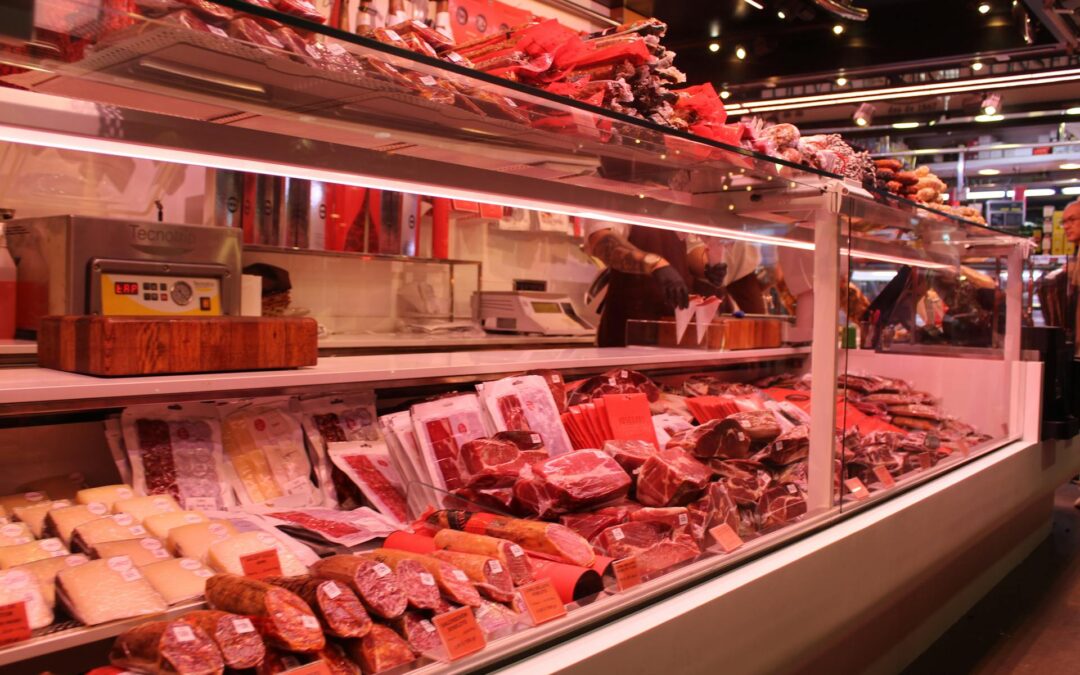
Processed Meats
Processed meat is any type of meat that’s been preserved by smoking, salting, curing, or canning. Most processed meats are red meats. Some examples of red meat that’s been processed include:
- hot dogs
- salami
- sausage
- ham
- corned beef
- beef jerky
The methods used to make processed meats can create carcinogens. Processed meat is a major risk factor for colorectal cancer. It is also linked with stomach cancer.
It has been determined that a high consumption of processed meat can increase cancer risk, especially breast cancer.
Fried, Burnt, and Overly-Cooked Foods
In early 2017, Britain’s Food Standards Agency launched a campaign to help people better understand and avoid, the toxin called acrylamide. Acrylamide is found in things like cigarette smoke and is also used in industrial processes like making dyes and plastics. What’s surprising is that acrylamide is also a chemical that forms on certain foods, especially starchy foods like bread, crackers, cakes and potatoes, when they are cooked for long periods at high temperatures.
You’re more likely to overcook foods when you cook at high temperatures or over an open flame. This includes cooking methods like:
- grilling
- barbecuing
- pan-frying
It is also stated that overcooking starchy foods, like potatoes, increases acrylamide formation.
To reduce your risk of carcinogens from high-heat cooking, try using healthier cooking methods such as:
- poaching
- pressure cooking
- baking or roasting at lower temperatures
- slow cooking in a crock pot or slow cooker
Dairy
There’s some evidence that dairy may increase increase cancer risk, especially the risk of prostate cancer. Dairy foods include products like:
- milk
- cheese
- yogurt
According to a 2020 review, eating dairy increases levels of an insulin-like growth factor 1 (IGF-1). This is associated with a higher risk of prostate cancer. IGF-1 may increase the proliferation, or production, of prostate cancer cells.
However, the evidence for this is not consistent. In addition, the type of dairy may play a role, according to a 2016 study.
Sugar and Refined Carbohydrates
Sugary foods and refined carbs can indirectly increase cancer risk. Some examples of these foods include:
- sugar-sweetened beverages
- baked goods
- white pasta
- white bread
- white rice
- sugary cereals
Eating a high concentration of sugary, starchy foods may put you at an increased risk of developing type 2 diabetes and obesity. Sugar and refined carbohydrates promote inflammation and oxidative stress. This may increase your risk for certain types of cancer.
Type 2 diabetes increases the risk for ovarian, breast, and endometrial (uterine) cancer.
Sugar can do more than increase your calorie intake and contribute to an expanding waistline— high consumption of added sugar has also been associated with increased cancer risk. There’s evidence that added sugars, such as high fructose corn syrup, may increase the risk of esophageal cancer, small intestine cancer, colon cancer and breast cancer.
A high intake of sugar and refined carbohydrates may also lead to high blood glucose levels, which may be a risk factor for colorectal cancer.
To limit the health effects of refined carbohydrates, try to swap these foods with healthier alternatives such as:
- whole grain bread
- whole grain pasta
- brown rice
- oats
Alcohol
When you consume alcohol, your liver breaks down alcohol into acetaldehyde, a carcinogenic compound which will increase cancer risk.
Acetaldehyde promotes DNA damage and oxidative stress. It also interferes with your immune function, making it difficult for your body to target precancerous and cancerous cells.
In women, alcohol increases levels of oestrogen in the body, and this is linked with a higher risk for oestrogen receptor-positive breast cancer.
Foods High in Additives
Researchers at Georgia State University’s Institute for Biomedical Sciences found that mice that regularly ingested the dietary emulsifiers called polysorbate-80 and carboxymethylcellulose experienced exacerbated tumour development and increased, low-grade inflammation and colon carcinogenesis.
These emulsifiers act as “detergent-like” ingredients in the gut, significantly changing the species composition of the gut microbiome. Alterations in bacterial species can result in bacteria expressing more flagellins and lipopolysaccharides; in other words, changes in the microbiome can interfere with functions of the immune system, promote inflammation and increase harmful gene expressions.
What types of processed foods and products contain these emulsifiers? Examples include dairy products such as ice cream, creamy beauty products, toothpaste, mouthwash, laxatives, diet pills, water-based paints, detergents and even vaccines.
Final Thoughts
Foods that increase cancer risk include those that contain pesticides, additives, added sugar or artificial sweeteners, processed meats, burnt foods, fried foods and other chemicals.
Examples of cancer-causing foods and ingredients are french fries, hot dogs, deli meats, sausage, ice cream, refined rice and other grains, high fructose corn syrup, processed vegetable oils, and trans-fats.
To follow an anti-cancer diet, lower your toxin intake, support the body’s cleansing and detoxifying processes, and eat unprocessed nutrient-rich foods.
But also, do not forget that there are certain energetic forces that remain in our body that affect when it comes to cancer or any ailment, disease or symptoms, and I am talking about emotions.
What is energy?
Energy is the fabric of the universe. It’s infinite. It’s everything, the ocean, the air, the thought, the persons, etc. It can be changed and moved but it cannot be destroyed or be created.
Energy is behind all matter: visible and invisible. Visible is all we can see (chair, car, person, house, etc). Invisible is all we cannot see (heat, wind, emotions, radio waves, x-rays, infrared, thought waves, etc).
On the other hand, vibration is the language of energy. So, vibration is a constant periodic motion of atoms and subatomic energies.
Vibrational frequency is the rate or the speed of the vibration. AM radio, FM radio, and emotions have their own vibrational frequencies. Energy is intelligent; the observer can alter or change the behaviour of the subatomic energies of the subject. This is very well-known in Quantum Physics. This force behind all things is quite powerful. The vibrational frequency of anything determines if it is positive, negative, or neutral.
The Concept of Emotional Baggage
Emotional baggage is the recollection of emotions gathered from your experiences of life; sometimes they are inherited from your ancestors as well. They affect our emotional, mental, and physical reality; because they are energy, they are vibrations. They influence our feelings, thoughts, and decisions in a negative way. These emotions get trapped in the body (organs, glands or tissues) jeopardising their function.
What is Emotion Code?
Emotions are energy when we experience situations, we gather negative emotions like frustration, anger, confusion, heartache, fear, rejection, or jealousy. Those emotions get trapped in our bodies. We can sometimes work on them, but most of the time they get stuck in our organs, glands, or tissues for years even for decades. Because these emotions are vibrations, they interfere with their normal function (organs, glands, tissues) causing problems, symptoms, diseases, or illnesses.
On the other hand, we carry these emotions around, they are behind the scenes all the time, and we don’t even realise it. So, when we experience, let’s say “anger” that emotion resonates in a powerful way with the anger we have trapped for decades or years. Then, we react or overreact, and we don’t notice that this reaction is not appropriate for the actual experience, I am sure you have been in that situation! So trapped emotions affect our feelings, thoughts, and decisions, jeopardising our relationships. This therapy helps to release those trapped emotions.
Recent Comments